InterElectronic distributes the full Interflux range. Choose your process to see which flux fits, then open the product card or download the data sheet directly.
Click a row to jump to the product. Applications according to interflux.com. IF 2005-2,5% is the same flux as IF 2005K.
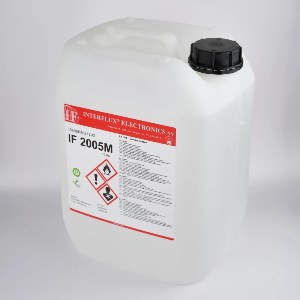
IF 2005M is the internationally renowned resin- and rosin-free, no-clean / No-residue™ flux standard.
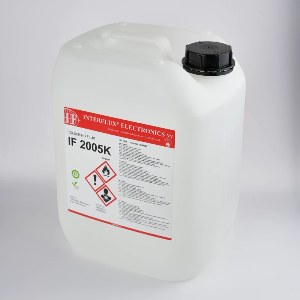
IF 2005K with 2,5% of solids is a resin- and rosin-free, no-clean soldering flux. It can be used when the soldering process needs more activation than IF 2005M provides.
IF 2005K is preferred for lead-free wave soldering but is also suitable for selective soldering and SnPb wave soldering.
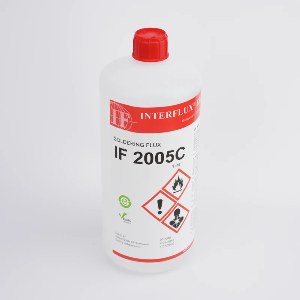
IF 2005C with 3,3% of solids is a resin- and rosin-free, no-clean soldering flux. It can be used when the soldering process needs more activation than IF 2005M or IF 2005K provide.
IF 2005C is preferred for selective soldering but can be used for wave and dip soldering too.
OR L0 according to EN and IPC standards
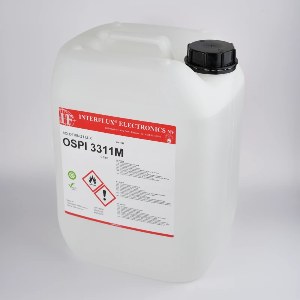
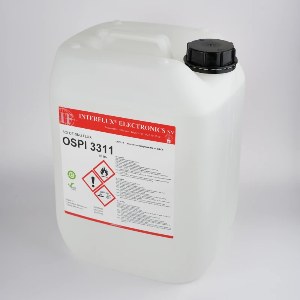
OSPI 3311M is an alcohol based no-clean flux for soldering OSP finished boards that have passed one or more reflow cycles. OSPI 3311M provides optimised through hole fill on degraded OSP finishes.
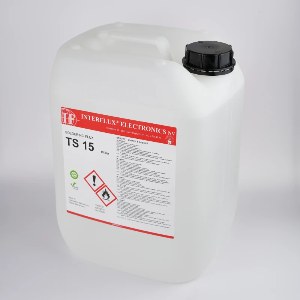
TS 15 is a no-clean flux, developed to give minimal residue formation after soldering. TS15 is very suitable for solar module manufac-turing.
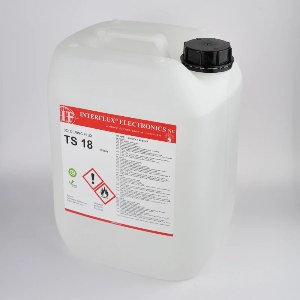
TS 18 is a no-clean flux, developed to give minimal residue formation after soldering. TS18 is used for applications where TS 15 does not provide enough activation.
Warning: TS 18 is being faded out and will eventually go out-of-production because IF 2005M provide superior results for the same applications. If you're planning to switch from lead to lead-free alloys, then IF 2005K would be an even better fit.
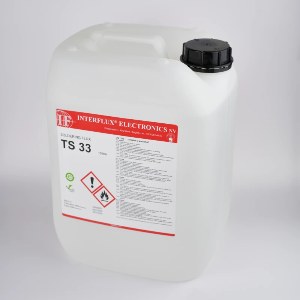
TS 33 is a no-clean flux with a wide process window in combination with low residue levels. TS33 is used for applications where TS 15 or TS18 does not provide enough activation.
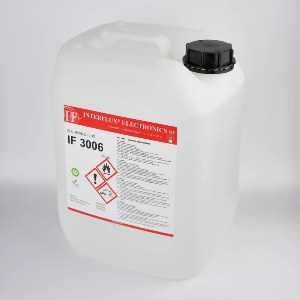
IF 3006 is a resin- and rosin free, no-clean soldering flux with a reduced VOC content.
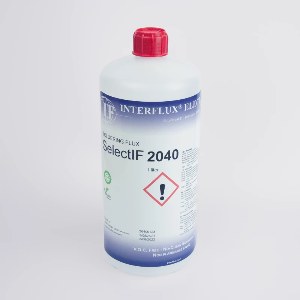
SelectIF 2040 is a water based no-clean selective soldering flux with a wide process window and low residue formation.
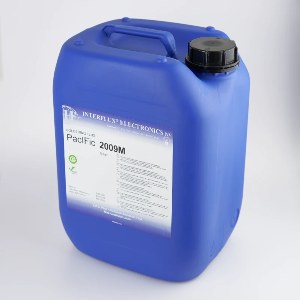
PacIFic 2009M is a water based no-clean flux mainly used for wave soldering but also for selective soldering and tinning. PacIFic 2009M has a long history of use in virtually all electronic branches worldwide.
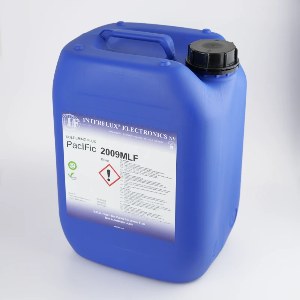
PacIFic 2009MLF is a water based no-clean soldering flux developed to minimize micro solder ball formation.
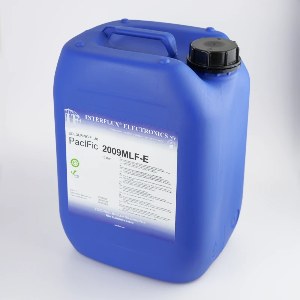
PacIFic 2009MLF-E is a water based no-clean flux which combines low residue levels after soldering with reduced micro solder ball formation.
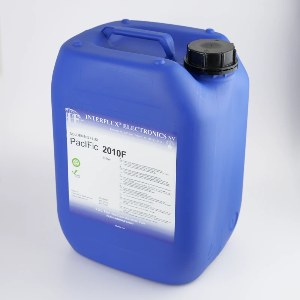
PacIFic 2010F is a water based no-clean soldering flux for foam fluxing applications. PacIFic 2010F provides low residues after soldering.
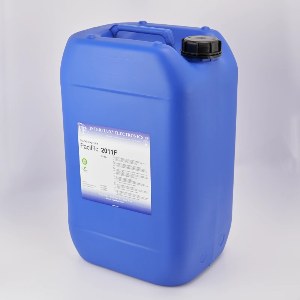
VOC free, no-clean and halide free soldering flux for foam and spray applications.
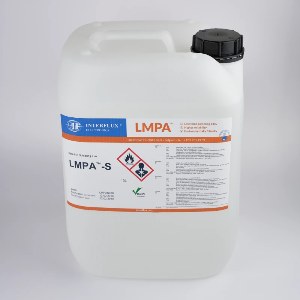
LMPA™-S is an absolutely halide free no-clean soldering flux designed to reduce micro solder balling on solder ball sensitive solder masks when selective soldering with the low melting point alloy LMPA™-Q.
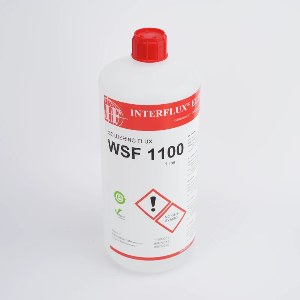
WSF 1100 is a VOC-free, absolutely halide free soldering flux with low corrosion water soluble residues after soldering. The residues of WSF 1100 need to be cleaned
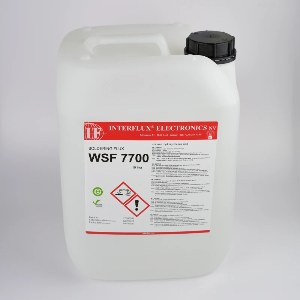
WSF 7700 is a VOC-free, absolutely halide free soldering flux with low corrosion water soluble residues after soldering. The residues of WSF 7700 need to be cleaned
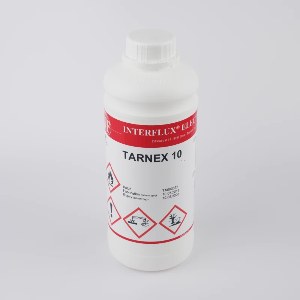
Tarnex 10 is a highly activated alcohol based flux with water soluble residues for tinning of tarnished, heavily oxidized or hard to solder surfaces. The residues after soldering must be cleaned with water. Tarnex 10 has been specifically designed for dip soldering operations. Due to its activity level, Tarnex 10 is not recommended for soldering electronics.
Tarnex 10 is only available on request.
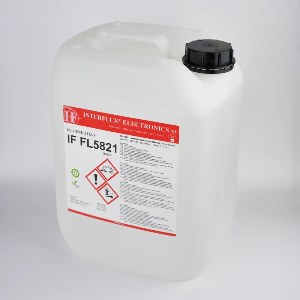
IF FL5821 is a highly activated flux with water soluble residues that must be cleaned with water after soldering. IF FL5821 can be used for tinning of surfaces with very poor solderability. Due to its activity level, IF FL5821 is not recommended for soldering electronics.
IF FL5821 is only available on request.
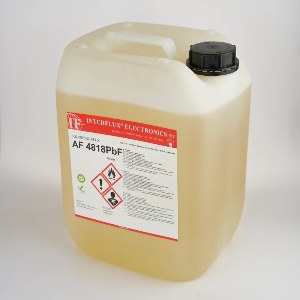
AF 4818 PbF is a solvent based, rosin containing, no-clean soldering flux with increased solid content and a large process window.
It provides increased chances to pass harsh environmental tests as sometimes required in the automotive industry.
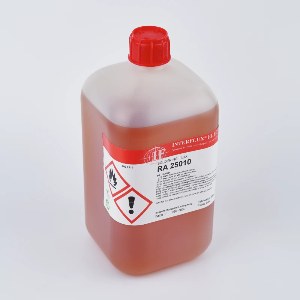
RA25010 is an activated rosin based no-clean soldering flux. RA25010 can be used for surfaces with poor solderability. RA25015 and RA25050 are more activated than RA25010.
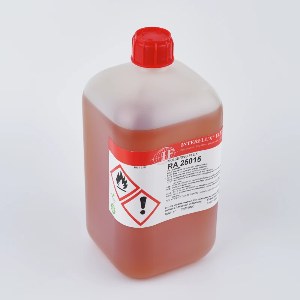
RA25015 is an activated rosin based no-clean soldering flux. RA25015 can be used for surfaces with poor solderability. RA25010 is lower activated and RA25050 is more activated than RA25015.
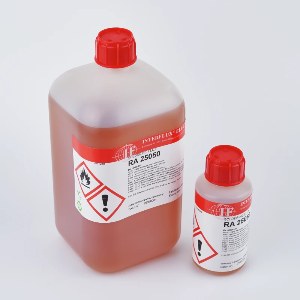
RA25050 is an activated rosin based no-clean soldering flux. RA25050 can be used for surfaces with poor solderability. RA25010 and RA25015 are less activated than RA25050.
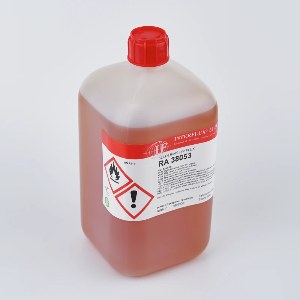
RA 38053 is an activated rosin based dipping flux that gives good adhesion to the surfaces to be soldered.
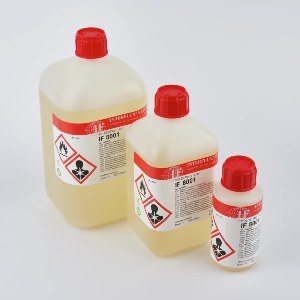
IF 8001 is a solvent based, no-clean soldering flux with low residue formation for selective fluxing applications, typically used in hand soldering and rework and repair.
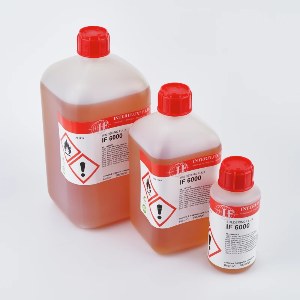
IF 6000 is a rosin containing, no-clean soldering flux with increased process window for selective fluxing applications, typically used in hand soldering and rework and repair.
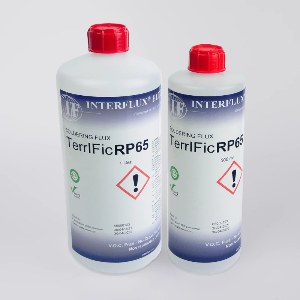
TerrIFic RP65 is a no-clean water based soldering flux for selective fluxing applications, typically used in hand soldering and rewok and repair.
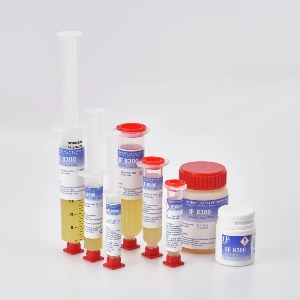
IF 8300 is a no-clean, halide-free tacky gel flux suitable for reballing and BGA rework.
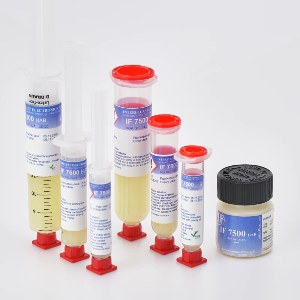
IF 7500HAB is a no-clean, halide-free tacky gel flux with increased process window. Suitable for reballing and BGA rework.
Several fluxes are available in a flux pen. The refillable flux pen has a very fine glass fibre tip that allows flux application only on the solder joint which avoids flux residue in the surrounding area giving esthetically clean soldering results. The non refillable flux pen is more economic.
Standard fluxes that are available in the flux pen: IF 8001, IF 6000, TerrIFic RP 65, IF 2005M, IF 2005C.
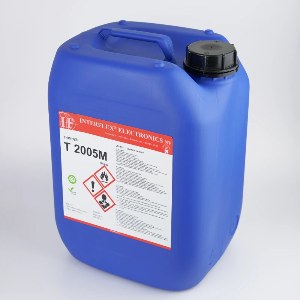
T 2005M is the designated thinner for the IF 2005-series of fluxes. Flux thinning is typically done in open flux systems that involve evaporation of the flux solvent like in foam fluxing.
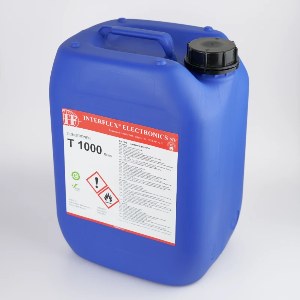
T 1000 is the designated thinner for the TS-series of fluxes. Flux thinning is typically done in open flux systems that involve evaporation of the flux solvent like in foam fluxing.