
Why are the Europlacer ii-N1 and ii-N2 SMT placement machines the best for high-mix manufacturing?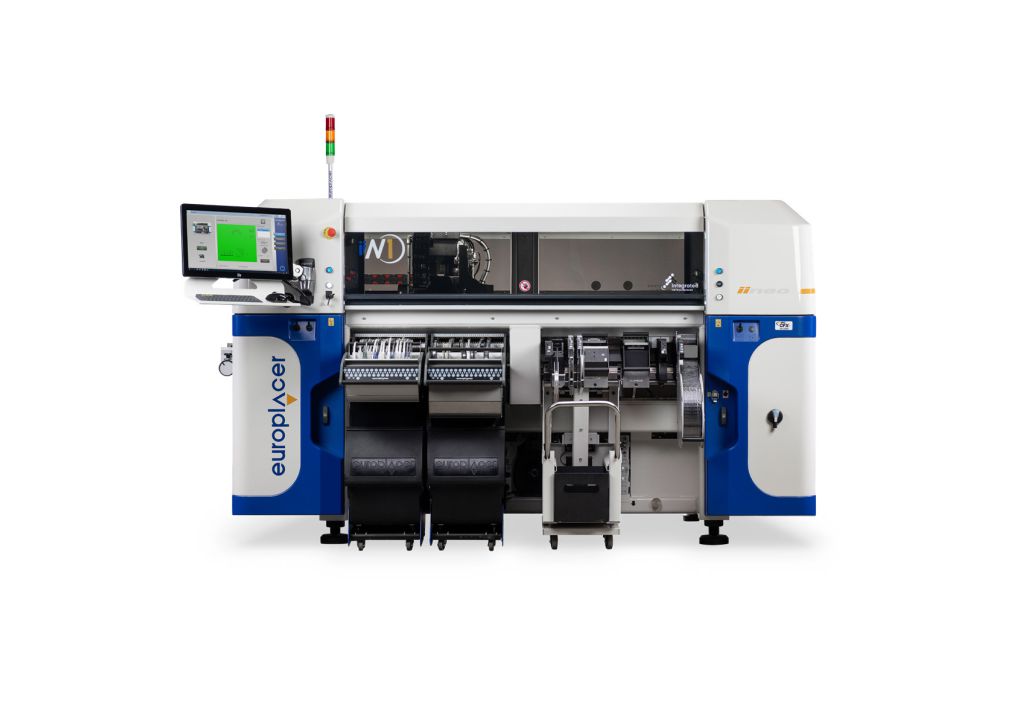
In today’s electronics manufacturing, high-mix low-volume (HMLV) production is becoming increasingly important: it is characterized by many product variants, small and medium series, and frequent changeovers. In this environment, raw speed is not the most important factor, but rather flexibility, fast changeover, minimal compromise, and reliable quality.
Europlacer launched the second-generation iineo machines in 2024 – the ii-N1 (single placement head) and ii-N2 (dual placement head) models – designed specifically for this task. These machines not only deliver outstanding performance from prototyping to medium series, but truly represent the “never have to say no” philosophy: they efficiently handle any component, any PCB, and any series size.
In high-mix manufacturing, the biggest problems are frequent changeovers, the large number of component variations, and low utilization due to small batch sizes.
With traditional high-speed chipshooters, compromises often have to be made. In the case of the Europlacer ii-N1 and ii-N2, there is no such compromise.
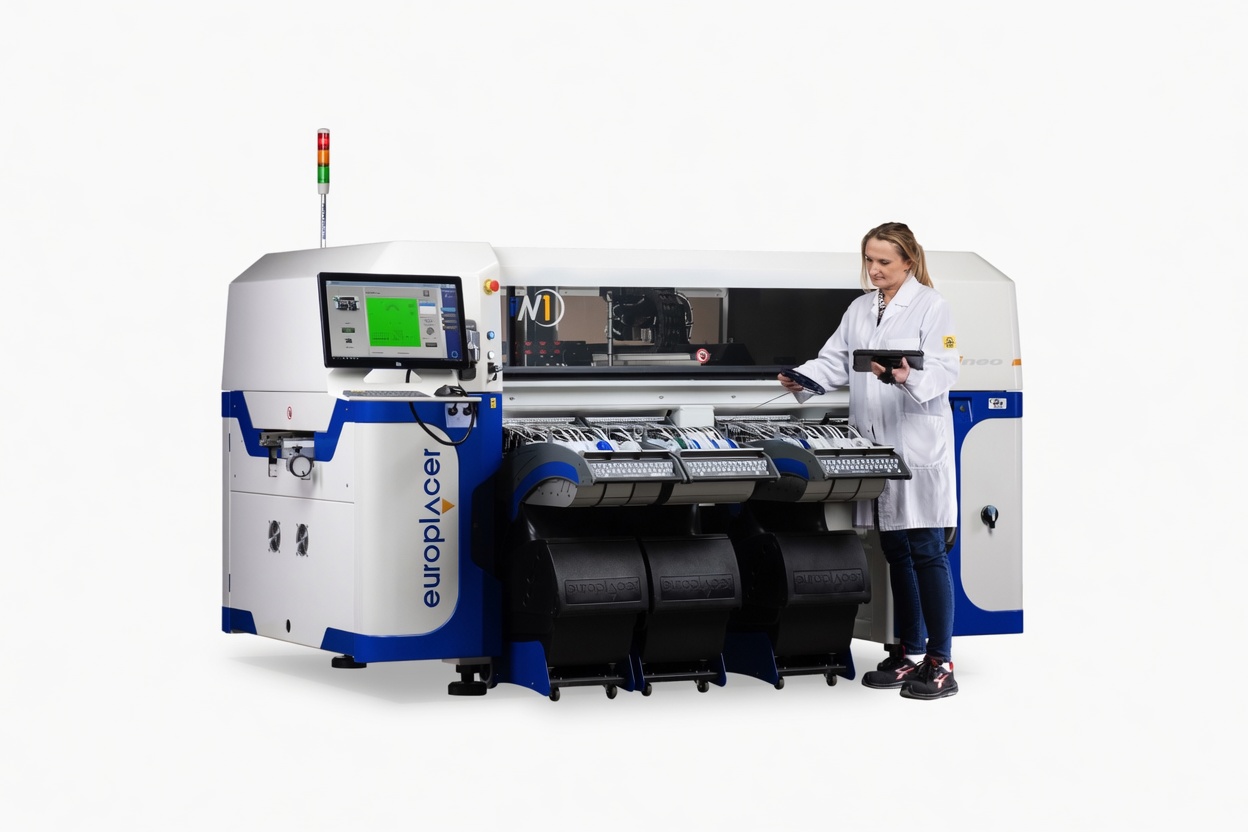
The ii-N1 works with a single Tornado head (8 or 12 nozzles), with a maximum speed of 15,390 cph. This model is specifically the specialist for prototyping and short series:
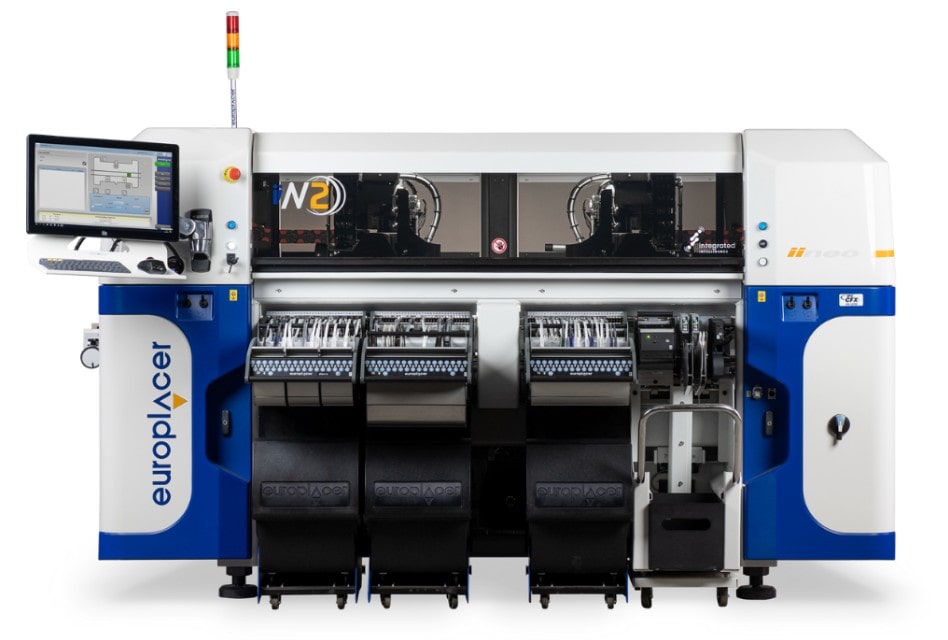
The ii-N2 works with two Tornado heads, increasing the speed to 30,780 cph. The advantage of the two heads is that in repeating patterns, only the first head validates the test samples, while the second places continuously – significantly increasing throughput.
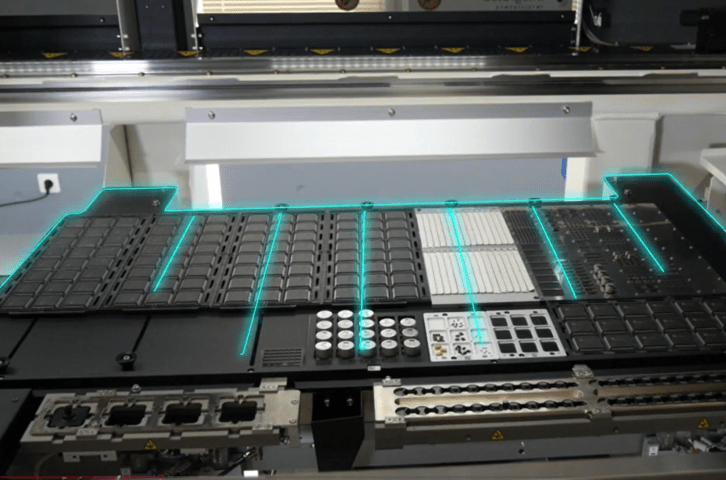
If variety is the norm in your production, not the exception, then the Europlacer ii-N1 and ii-N2 are not simple placement machines – but full-fledged manufacturing platforms. Europlacer’s decades of high-mix specialization, the Tornado head technology, the huge feeder capacity, and the modern software ecosystem together ensure that the machine will never become the bottleneck.
Source: Prepared by InterElectronic – Europlacer official materials • Generated May 2026